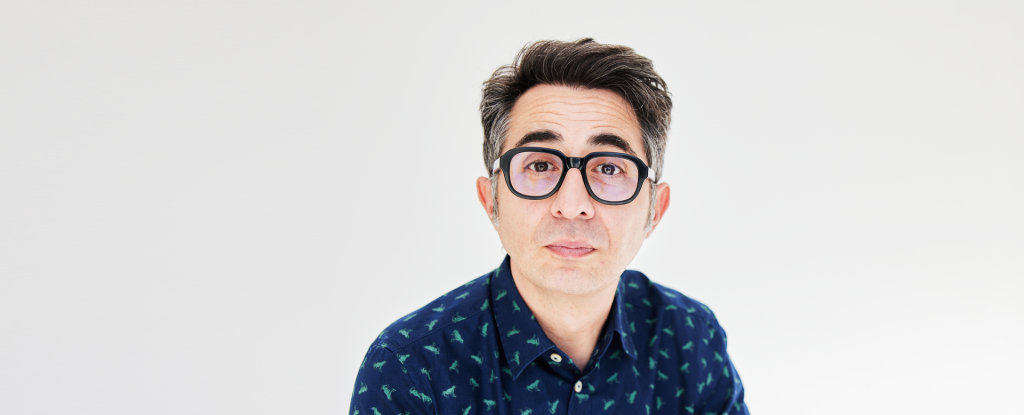
A joke by Google Maps users has turned the building where Berto Romero was born in Cardona into a viral phenomenon
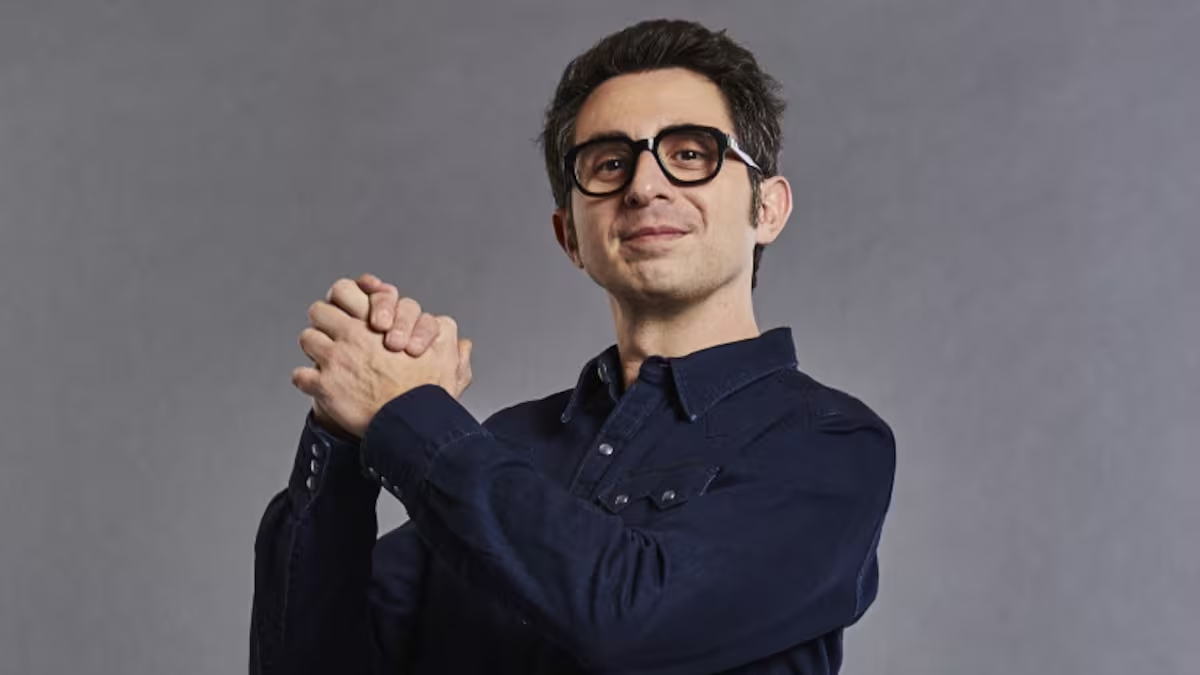
The open format of Google Maps allows points of interest to be added at the request of users, and this can lead to some amusing results. Try this exercise: open Maps, search for Cardona Castle, zoom in, and move along the road that passes under it, right at the intersection with the town. It won’t be hard to find the “House of the best Spanish comedian”, or the “Berto Romero House Museum”.
A historical setting
They say that the square in Santa Eulàlia de Cardona was the first the town had. As the heart of the castle, it is easy to imagine it as the commercial, social and administrative centre of the original town, even though it was later moved to the west, around the temple built by the merchants.
For the highest band, the square with that name borders the main road into Cardona, the BV-3002, which up to that point is called Avinguda del Rastrillo, which then becomes Carretera del Miracle one street further on, but which then takes the name of the square in a way that is surprising, to say the least. In other words, we have a section that runs along a road with the name of a square. The case is unusual and seems like the result of someone’s sudden whim, who at some point in recent history, decided that it was a good idea. Perhaps it was all a premonition.
The Google experience
However, having had a look at Google Maps to see what it says, this fact is completely eclipsed by another “monument”, the “open-air museum” that for years has gone largely unnoticed by the people of Cardona: the birthplace of the comedian Berto Romero.
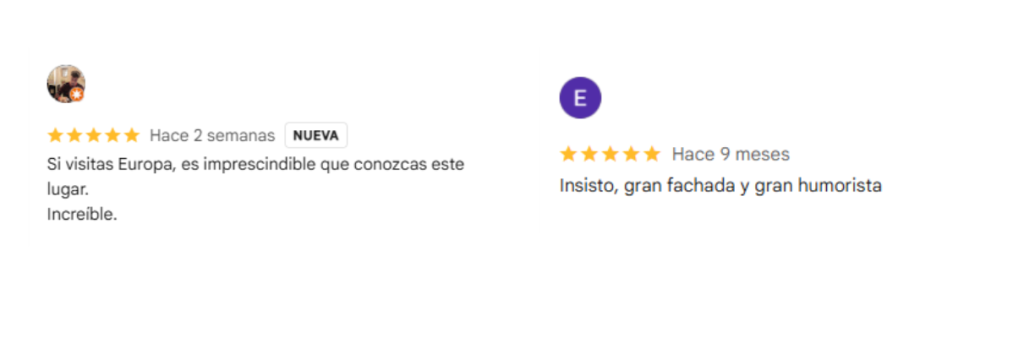
Google Maps is full of humorous comments about everything that this “house museum” has to offer and is rated an enviable 5 stars. One of the latest reviews says: “If you visit Europe, it is essential that you visit this place. Incredible”.
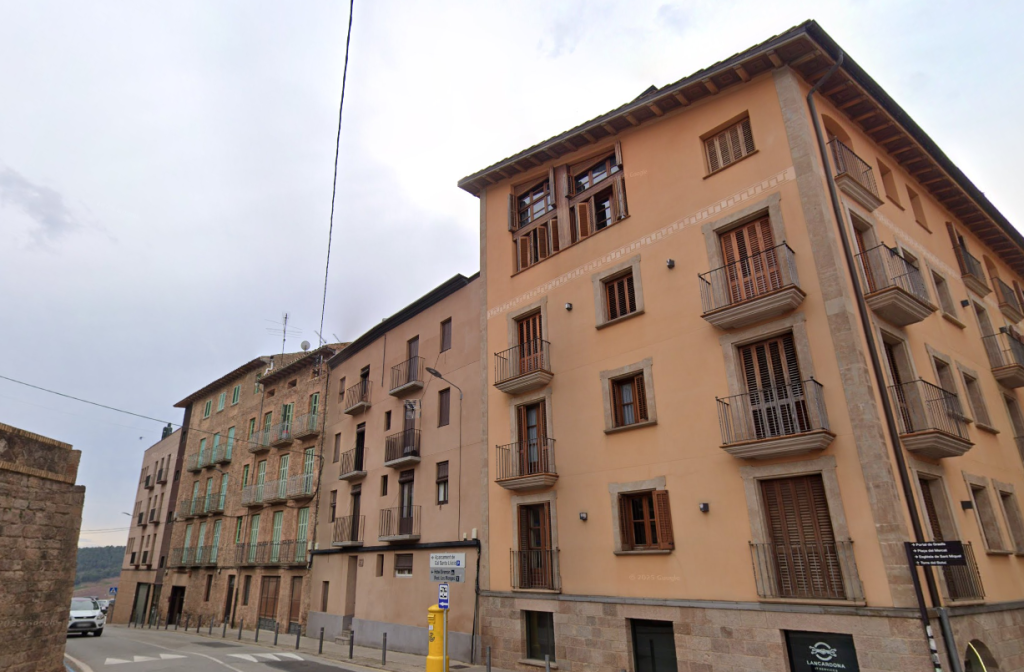
Alberto Romero Tomás was born on 17 November 1974 at number 6 of that unusual road-shaped square. It was a Sunday, and José María Íñigo’s black-and-white TV set was watched by the many families who already had a television set at home, unaware that a future media star had entered the world.
On the top of the hill, crowned by the famous impregnable fortress, the building was supposed to be just at the limit of the houses that were to be built on it, because of our process of fortifying the castle in the 17th and 18th centuries. Right in front of it, during the siege of 1711, the Bourbons opened trenches a little further up, and a real butchery was set up at the bastion of Sant Llorenç.
And now that we’ve talked about the butchery, it’s time to return to the first square, the real one, where between the 11th and 14th centuries stood the political and administrative centre of the town, with the cathedral and the curia. In the lower part, known as Porxo d’en Soler, there is also the Crestó Butcher’s Shop, where butchers used to rent tables to sell their products, but now it houses the Josep Arnau Salt Museum, a spectacular display of handicrafts made with the famous white gold.
The birth of a legend
When we focus on our protagonist, it turns out that right next door, in a building adorned with magnificent Gothic arches, is where Berto Romero took his first steps into the world of entertainment.
In 1993, four friends formed the band “Mundo Ñáñaro”, a group with a unique style, combining techno-pop, symphonic rock, new age and other electronic sub-genres. Berto used to sing the songs that had lyrics, and in those that didn’t, he would pick up the instrument that wasn’t being used.
Some years later, in 1998, he and Paco Hernández abandoned their studies to form the company “El Cansancio“, the culmination of their artistic career.
So Google Maps doesn’t know where to look: it wasn’t where Berto Romero was born, but about a thousand years earlier, a town was also born there. The house itself, a three-storey building with two upper floors and a ground floor, cannot be visited, but it is steeped in history and stories. While there, don’t miss the chance to visit the Salt Museum, or to discover the chapel of Santa Eulàlia and its passageway, on which the old hospital for the poor and pilgrims once stood.
To top it all off, if the computer shop that now occupies the premises is open, you can also see the Gothic arches under which our great comedian stood for the first time in front of a microphone.